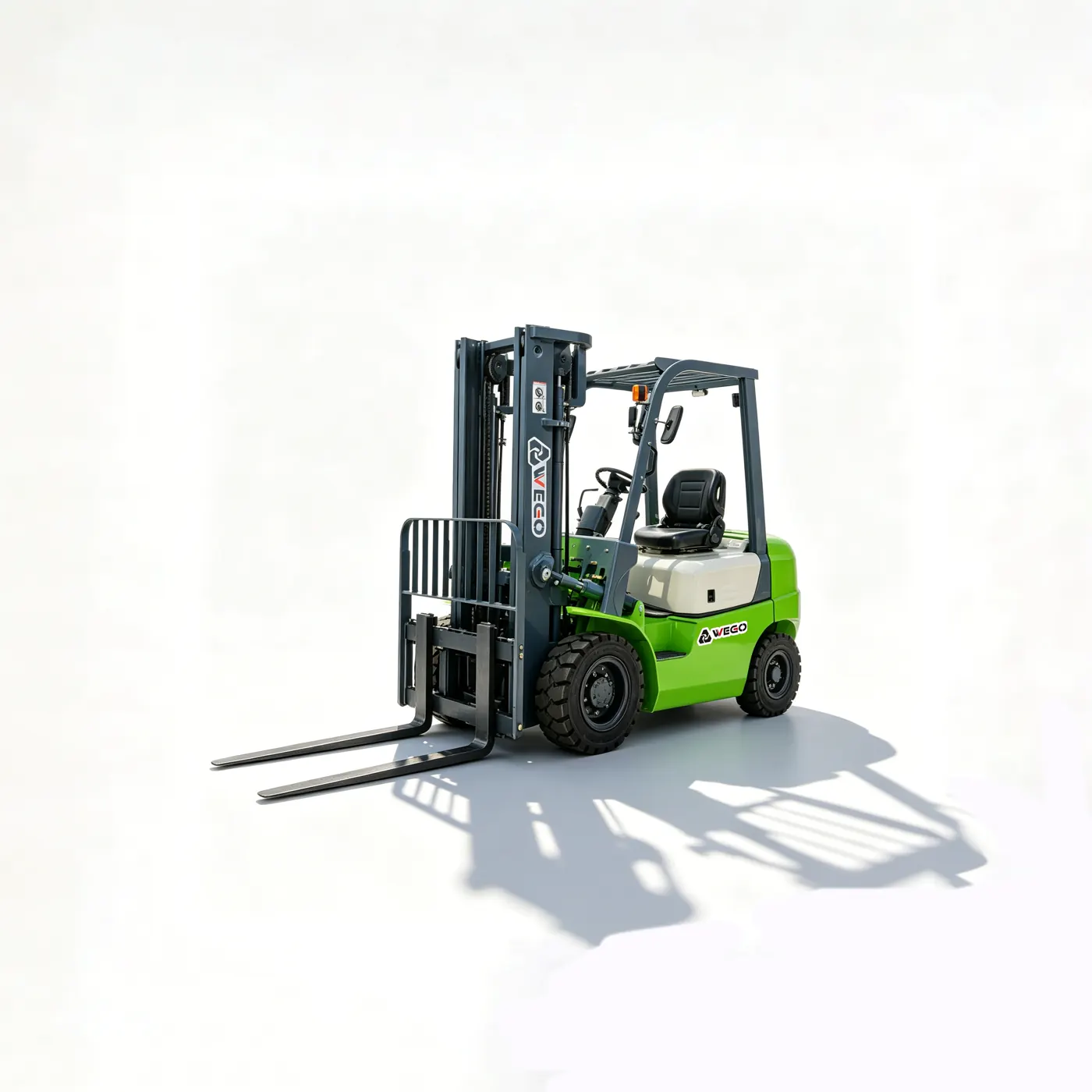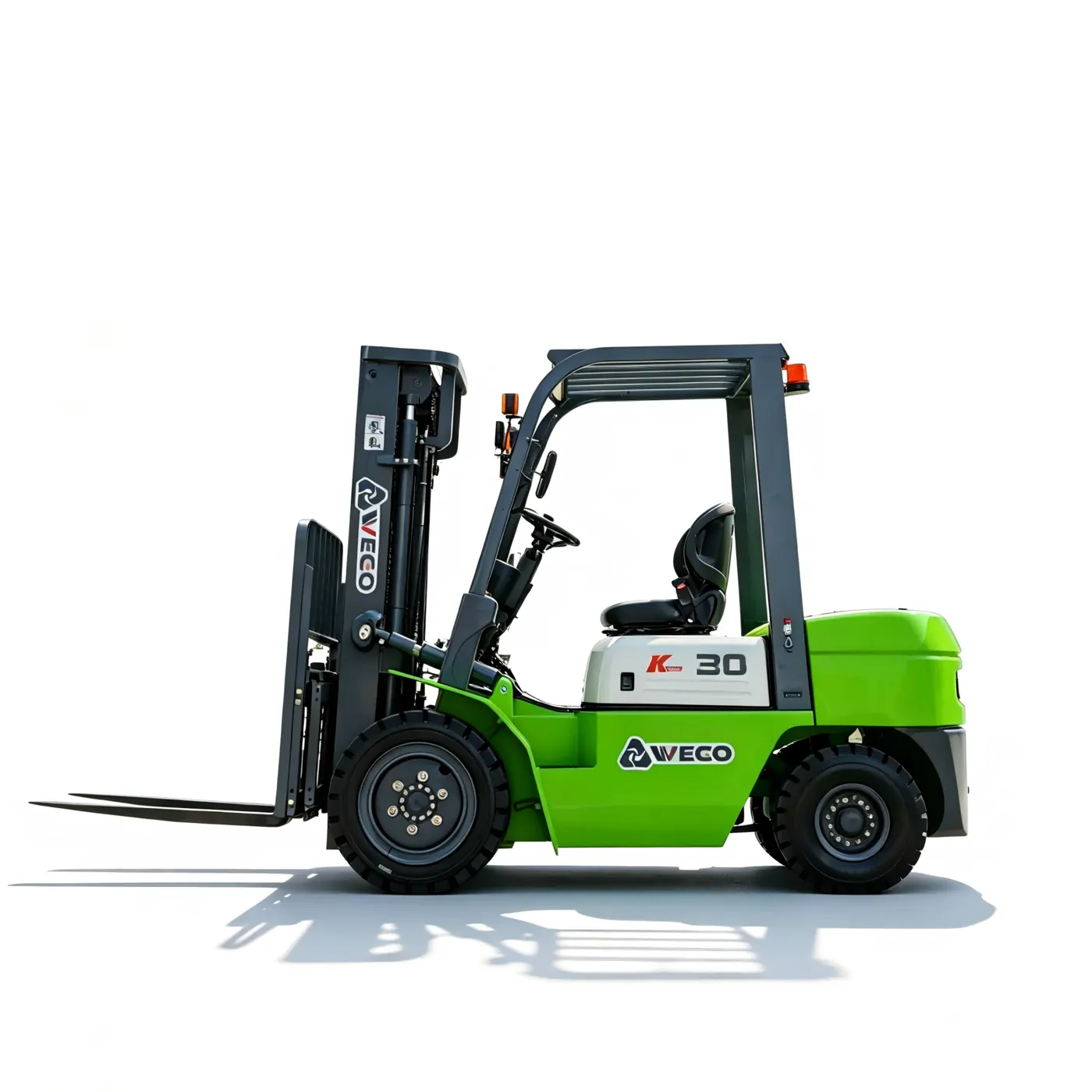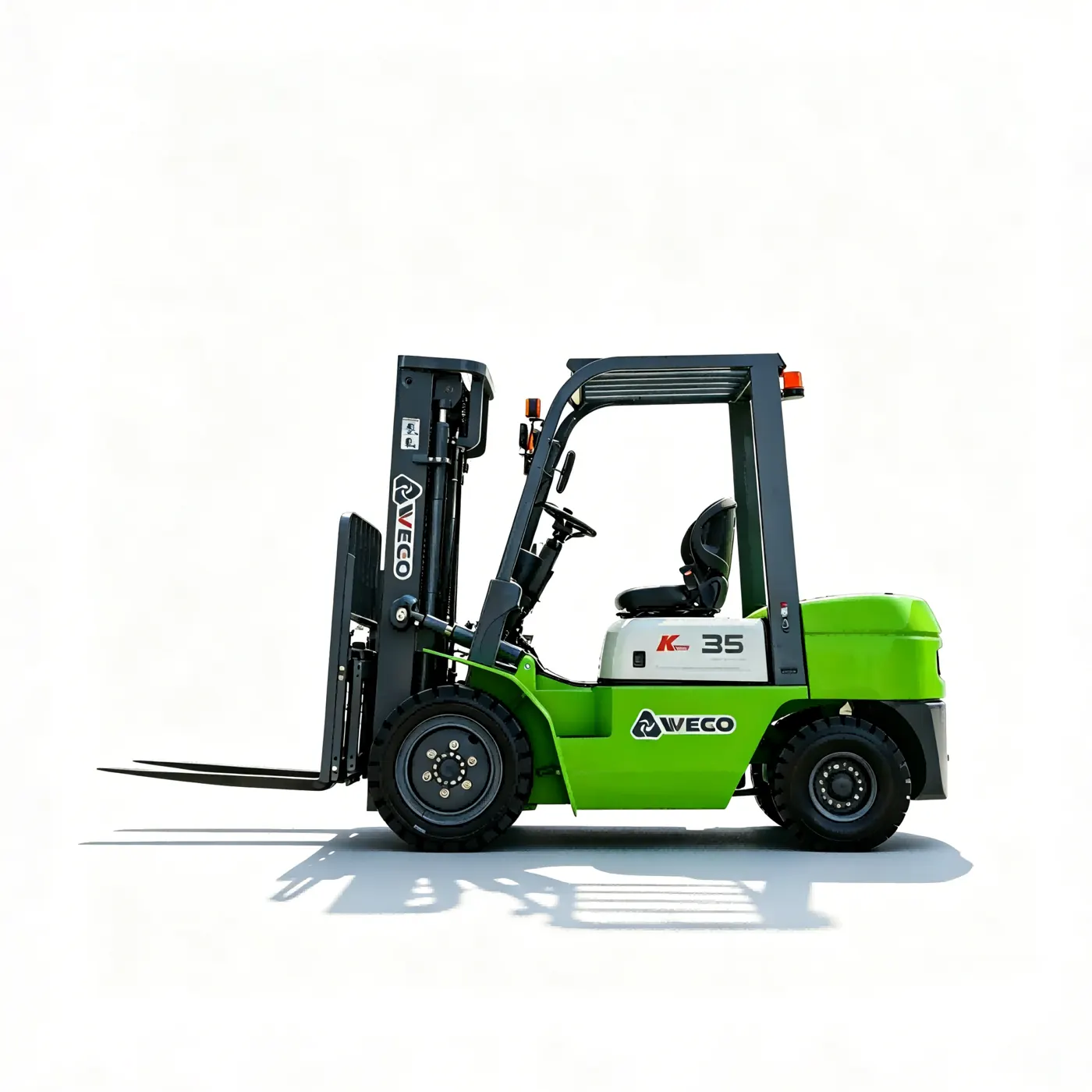
Lithium forklifts are becoming a practical option for warehouse upgrades because buyers are evaluating the complete energy system, not just rated capacity or mast height. A well-matched electric forklift can support cleaner indoor handling, more flexible charging, and a simpler daily routine, but the business case depends on the application. Fleet managers should compare battery capacity, shift demand, charging access, and service support before assuming that every lithium model will deliver the same result.
The clearest use case is a busy warehouse where trucks move pallets through receiving, storage, picking, and dispatch across one or more shifts. Operators may need short charging opportunities between tasks rather than a long battery change process, while supervisors need predictable availability during peak periods. The site still needs clear charging rules, suitable electrical capacity, safe pedestrian routes, and a plan for trucks that work outside the main indoor flow. Lithium power should improve the operating routine without hiding layout or traffic problems.
Key configuration points include required capacity at the actual lift height, mast type, travel distance, average load weight, pallet dimensions, tyre selection, attachment, battery capacity, charger input, and expected charging windows. Review the display and battery information available to operators, then confirm how inspection and maintenance will be handled. For multi-shift work, compare opportunity charging with the site's break pattern and electrical limits. The final recommendation should be based on measured duty cycle and local requirements, with configuration-dependent performance and charging details confirmed in the quotation.
Before requesting a quotation, provide the number of shifts, operating hours, load and lift data, aisle width, floor condition, ambient temperature, indoor or outdoor use, charging location, available power supply, and preferred delivery date. Also confirm whether the fleet needs common chargers, spare batteries, attachments, telematics, operator training, or a phased replacement plan. These details allow WEGO to compare lithium electric forklift options with the warehouse's real workflow and to identify any site preparation required before delivery.
For export orders, confirm charger compatibility, manuals and labels in the required language, commissioning responsibilities, preventive-maintenance intervals, key spare parts, and the process for technical support after arrival. A lithium forklift upgrade works best when the battery, charger, truck, operator routine, and service plan are treated as one project. With that preparation, buyers can pursue lower handling friction and more consistent fleet availability while keeping the transition practical for warehouse teams.
Liste technique de l'acheteur
Cycle de travail et fenetre de charge
Relevez les heures par poste, les pointes, les pauses et le temps de charge avant de choisir batterie et chargeur.
Infrastructure de charge
Confirmez tension, phases, connecteur, ventilation, cheminement des cables et zone protegee selon les regles locales.
Geometrie des allees et rayonnages
Mesurez largeur libre, gerbage a angle droit, hauteur de rack, poutre basse, portes et virages avec la palette reelle.
Environnement de la batterie
Temperature, poussiere, humidite, nettoyage et frequence de charge influencent la batterie et sa protection.
Plan de controle quotidien
Avant chaque poste, controlez fourches, chaines, mat, pneus, fuites, freins, direction, avertisseurs et batterie ou moteur.
Dossier export et mise en service
Alignez manuels, etiquettes, chargeur ou moteur, filtres et joints, emballage et documents avant expedition.