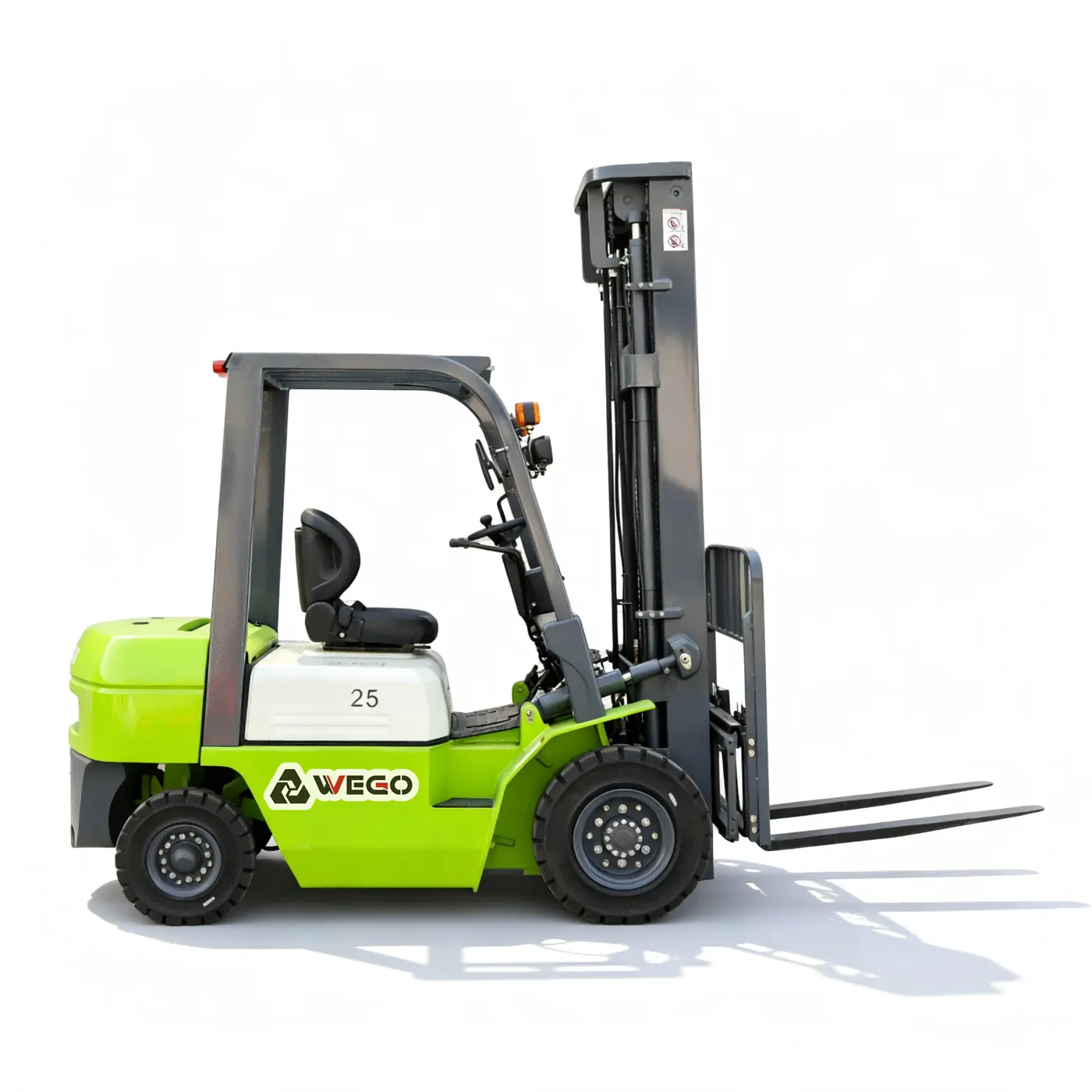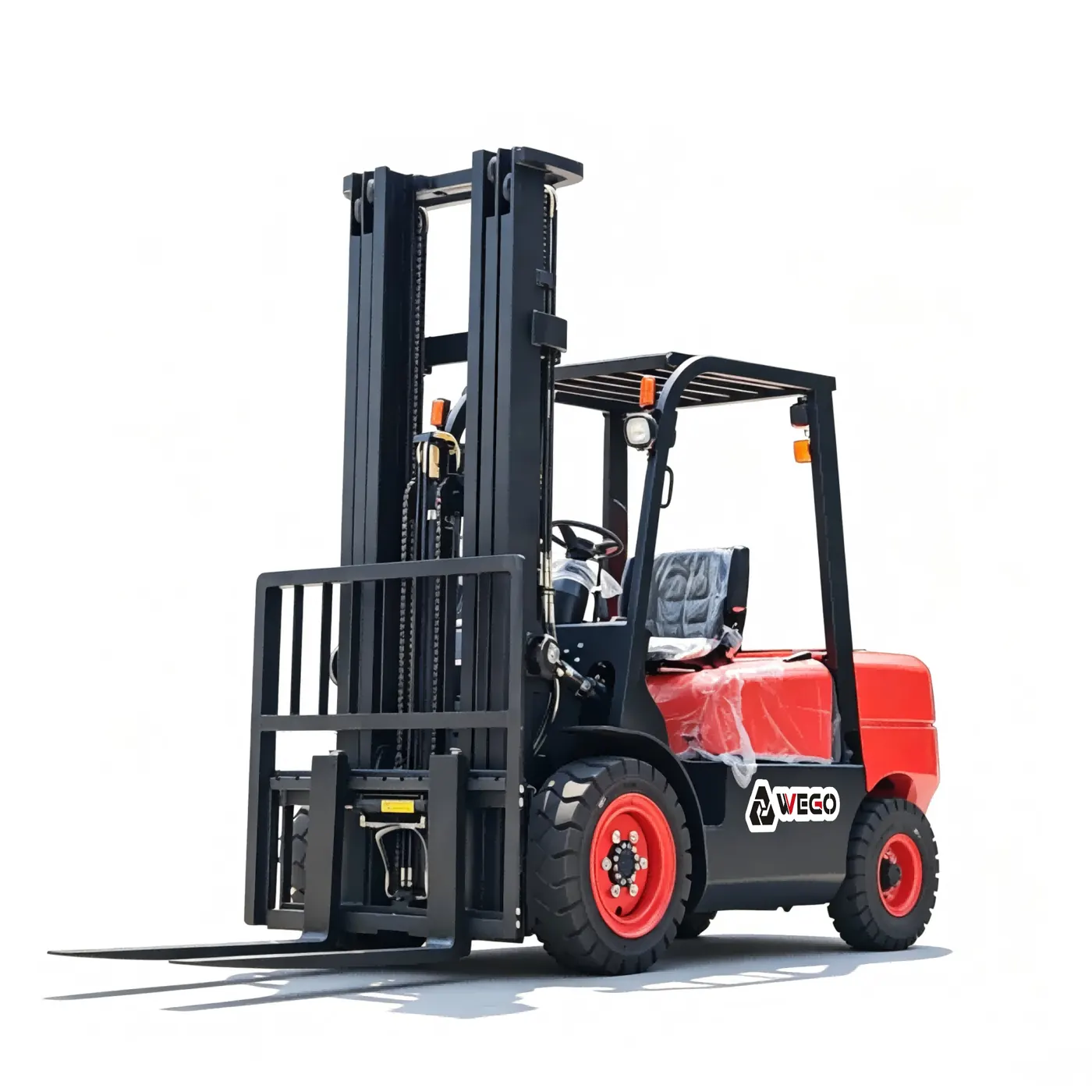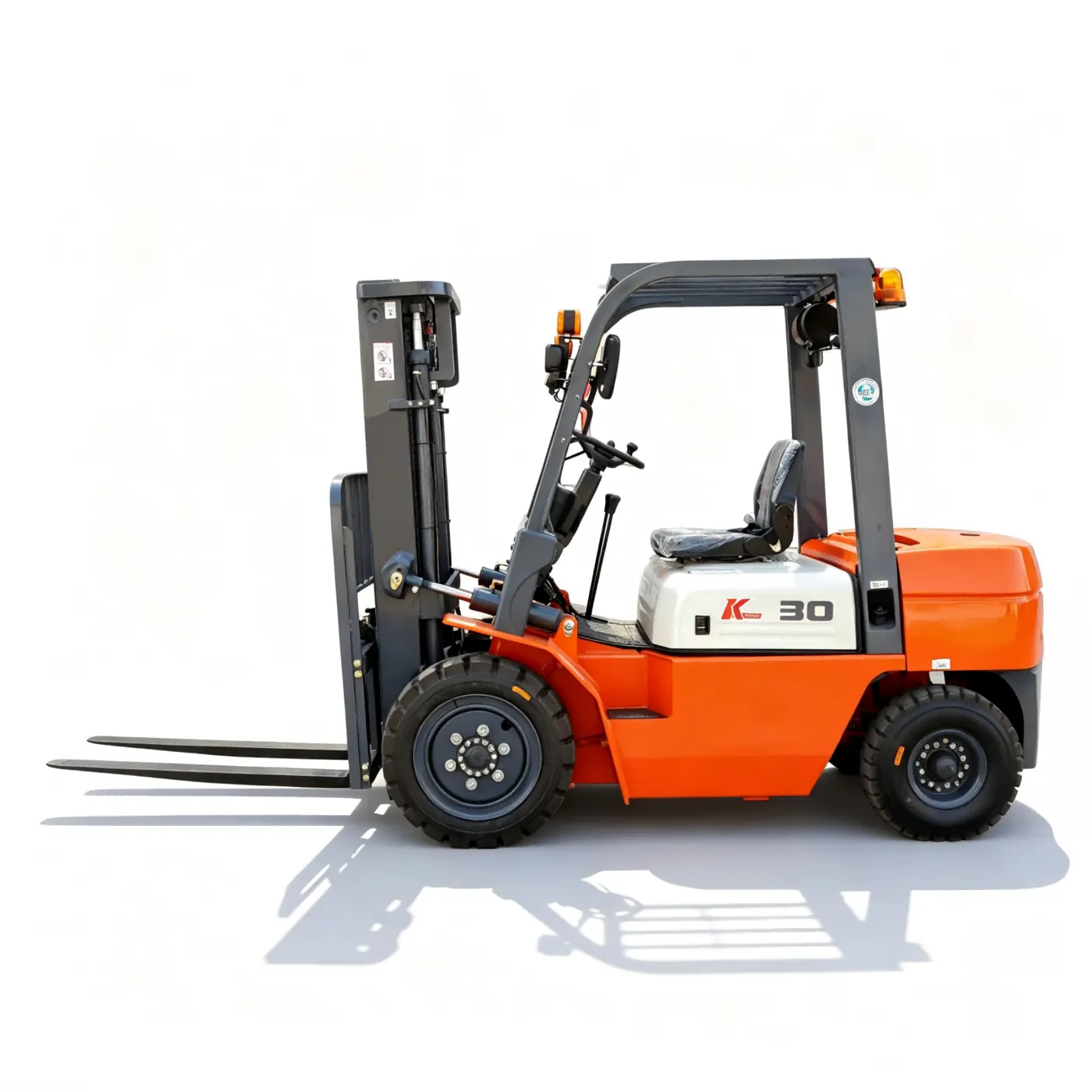

WEGO's 3.5 ton diesel forklift is positioned for ports, construction yards, timber yards, and freight terminals where surface conditions change throughout the day. Its strong chassis, durable engine, and wear-resistant tires help keep outdoor handling stable under real working loads.
This model is especially practical when buyers need longer shifts, heavier attachments, or frequent movement between trucks and open yard areas. Container mast, fork clamp, and regional emissions configurations can be matched before quotation so the truck fits the actual project.
WEGO 3.5 Ton Diesel Forklift for Port and Yard Work is better suited to outdoor fleets that face long shifts, mixed road surfaces, truck loading peaks, and weather exposure, especially where simple refueling and durable mechanical structure remain a priority.
A practical quotation normally confirms engine brand, emissions level, mast stage, lift height, tyre pattern, cabin or overhead guard choice, and attachment package so the forklift matches the actual yard duty cycle.
For export orders, buyers should also review spare filters, service parts, loading plan, and destination-country documentation in advance, because these details reduce commissioning risk and help dealers support the truck faster after delivery.
Technical buyer checklist
Load profile and load centre
Specify maximum weight, dimensions, centre of gravity, pallet entry, and the highest lift point; attachments can reduce residual capacity.
Surface, ramps, and tyres
Map potholes, joints, gravel, wet zones, gradients, and travel distance before choosing pneumatic or solid tyre options.
Attachment and hydraulic functions
Side shifters, positioners, clamps, and longer forks change weight, load centre, visibility, hydraulic circuits, and residual capacity.
Engine and market compliance
Confirm fuel quality, emissions requirement, ambient temperature, altitude, noise limits, and documentation for the destination market.
Long-shift heat management
Continuous outdoor work requires a clean cooling package, airflow around the truck, planned inspection stops, and service intervals matched to dust levels.
Daily inspection plan
Operators should check forks, chains, mast, tyres, leaks, brakes, steering, warning devices, and battery or engine condition before each shift.