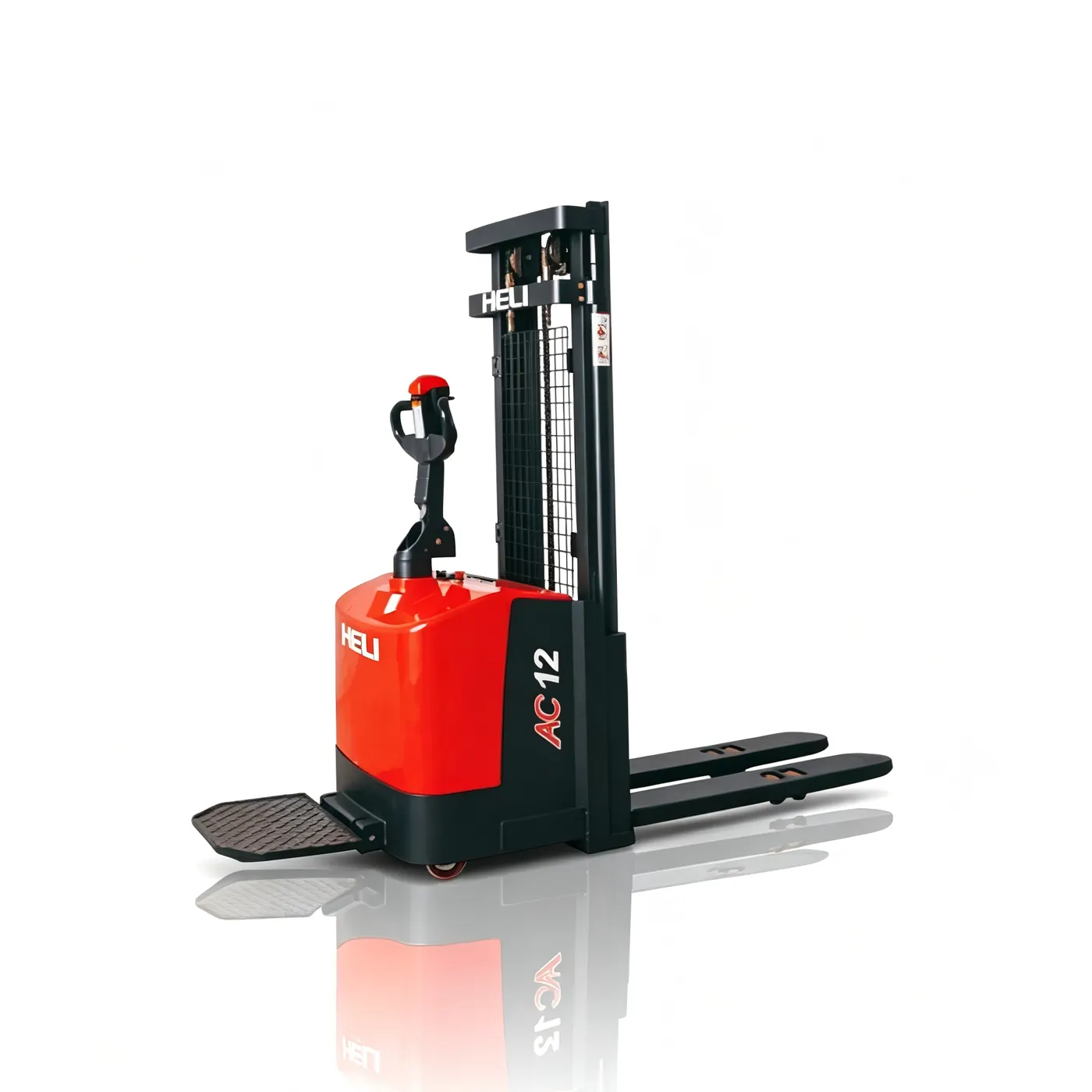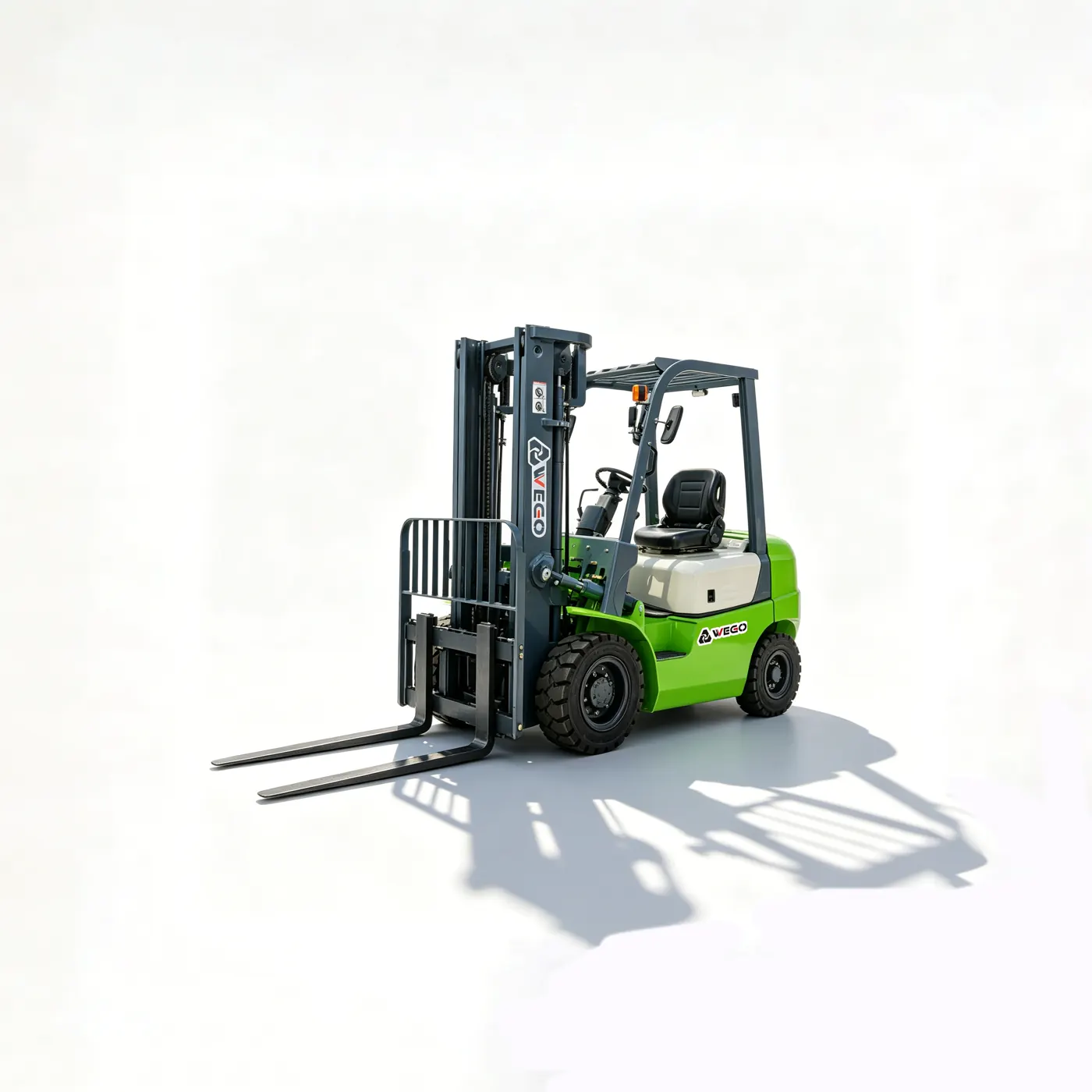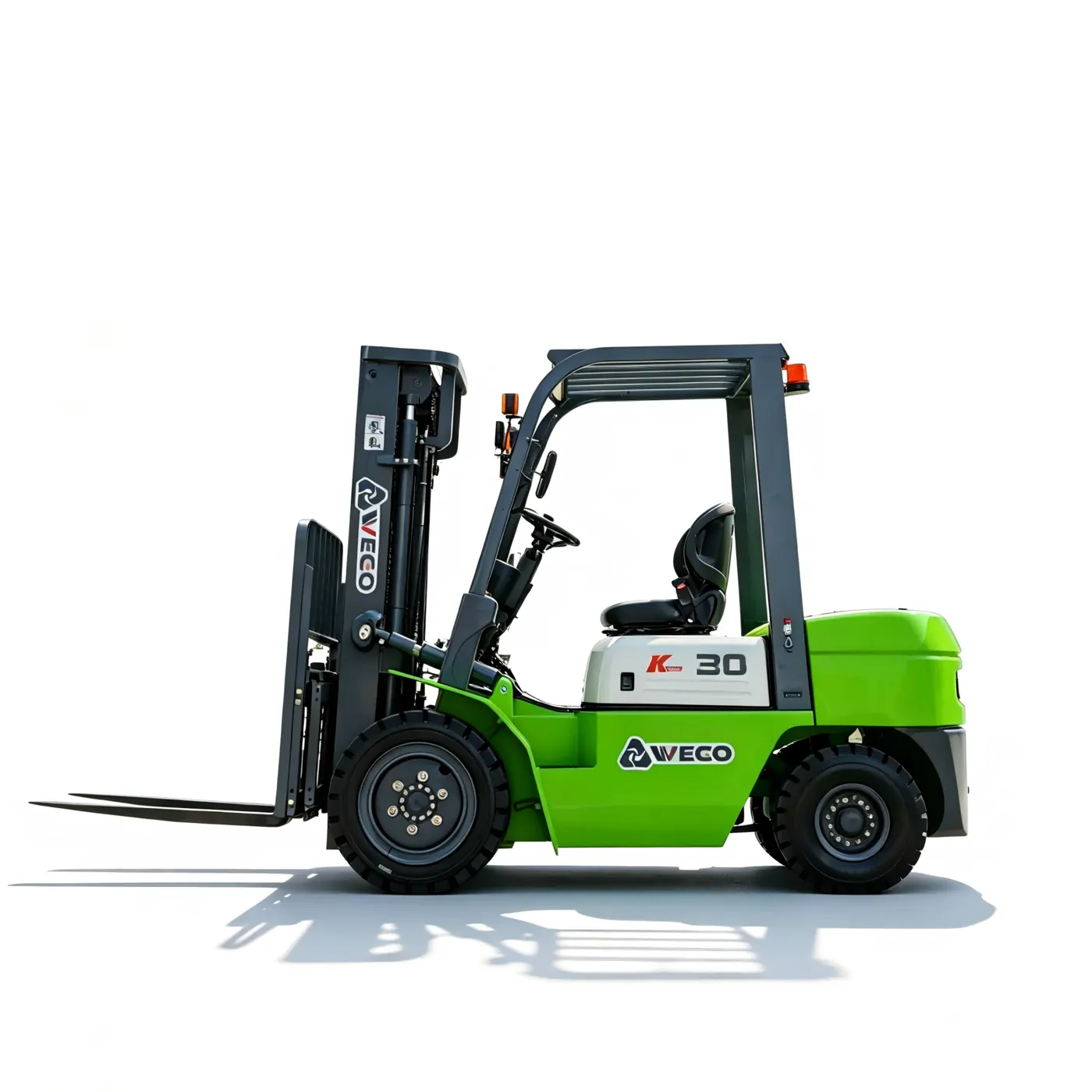
Warehouse automation is changing the questions forklift buyers ask. A new vehicle or robot can improve a single task, but the real operating result depends on how people, manual trucks, charging areas, and automated equipment share the same space. Recent industry discussion around automated sites and lithium-powered equipment has put more attention on traffic separation and day-to-day control. For a buyer, the starting point is not an automation label; it is a clear plan for which loads remain manual, where those trucks travel, and how the plan keeps each movement predictable.
Consider a receiving-to-rack workflow where electric forklifts unload inbound pallets while automated carts or conveyors serve fixed downstream routes. The risk is rarely one machine alone. It appears at crossings, blind corners, staging zones, and temporary overflow areas where a pedestrian or vehicle changes direction unexpectedly. Marking routes, keeping walkways distinct, setting simple right-of-way rules, and maintaining clear sightlines create a more dependable operating scene. A compact electric forklift or stacker should be selected for its actual travel path, turning room, load height, and shift pattern rather than for a headline feature.
Key configuration points include rated capacity at the required lift height, mast clearance, fork length, tyre choice, lighting, warning devices, operator visibility, battery and charger compatibility, and the attachment needed for the load. Buyers adding lithium power should also plan the approved charging location, daily inspection routine, and responsible personnel instead of treating charging as an afterthought. Where automated equipment is present, confirm that speed settings, alarms, and site controls support the warehouse traffic plan. The final specification should fit the operating environment and applicable local requirements, with configuration-dependent items confirmed during quotation.
Before requesting a quotation, prepare a simple movement map showing pallet sizes and weights, lift heights, aisle widths, floor condition, dock activity, shift length, charging windows, and the locations where people and vehicles meet. Record whether trucks will work near conveyors, automated carts, racks, cold areas, or outdoor transfers. Buyers should also identify training needs, preferred safety options, local compliance requirements, and the spare-parts approach for the first year. These details help WEGO recommend an appropriate electric forklift or pallet stacker configuration and prevent a mismatch between the truck, the battery plan, and the site layout.
For an export order, safe handover continues beyond factory dispatch. Confirm the charger input, documentation language, operator training plan, preventive-maintenance schedule, key spare parts, and the local contact process for service questions before shipment. A well-prepared delivery package makes it easier for a warehouse team to introduce equipment without disrupting existing traffic rules. When forklift purchasing, automation planning, and after-sales support are considered together, buyers have a stronger foundation for a warehouse that is both productive and easier to manage as its operating model changes.
技術選定チェックリスト
走行距離・操作方式
歩行式は短い断続運搬向けです。長距離・高頻度では現場確認後にステップ付きや搭乗式を検討します。
通路・ラック寸法
実際のパレットを使い、通路有効幅、直角積付け、ラック高、最下段梁、扉、旋回箇所を測定します。
パレット・ラック適合
パレット底面、差込口、荷の張り出し、ラック梁高、床面クリアランス、フリーリフトを確認します。
稼働サイクルと充電時間
バッテリー容量と充電器出力を決める前に、シフト時間、繁忙時間、休憩、充電可能時間を確認します。
フリート部品共通化
混合フリートの整備を複雑にしないよう、バッテリー、充電器、車輪、操作系、消耗品、診断を比較します。
輸出・立上げパッケージ
出荷前に説明書、表示、充電器またはエンジン、予備フィルター・シール、梱包、仕向書類を整えます。