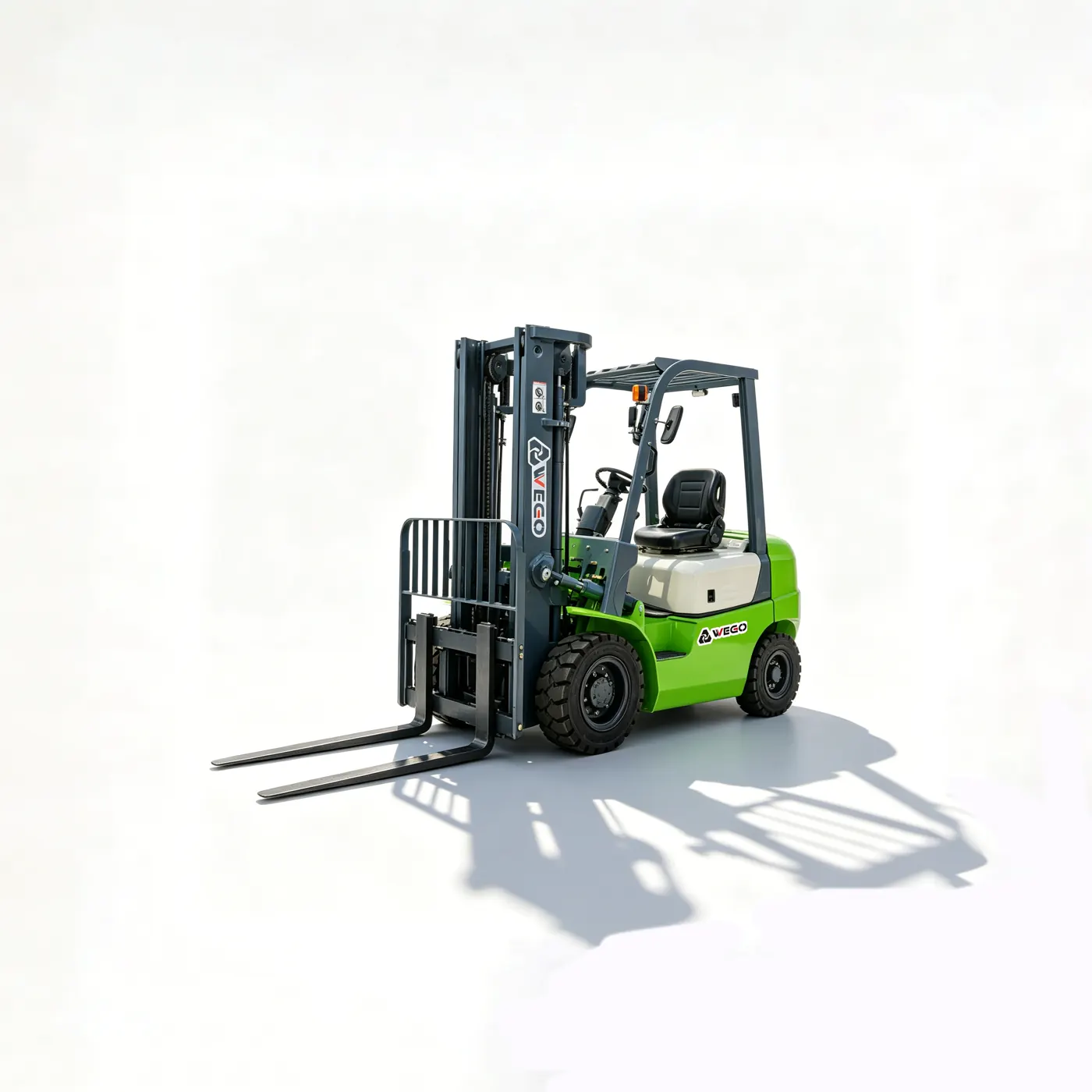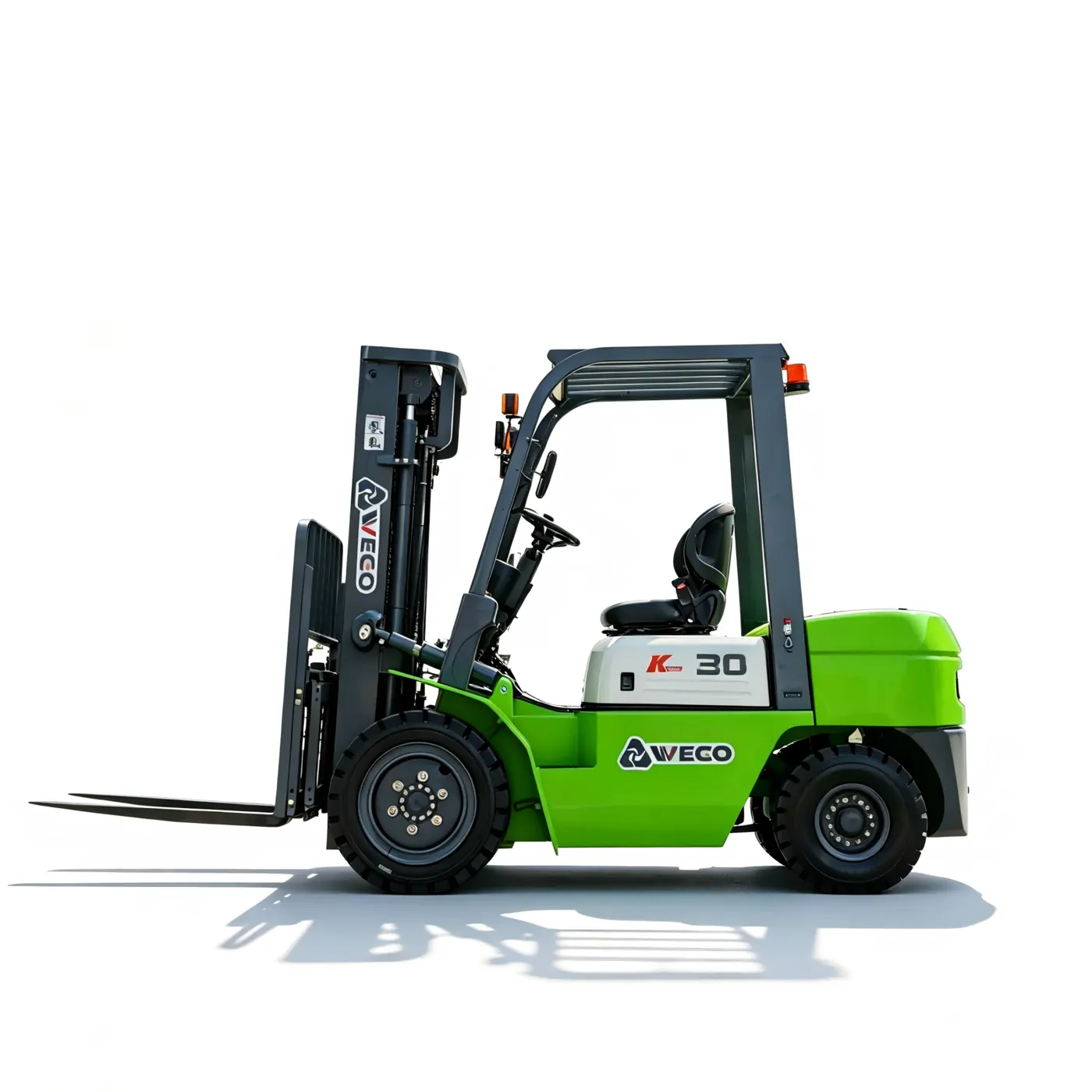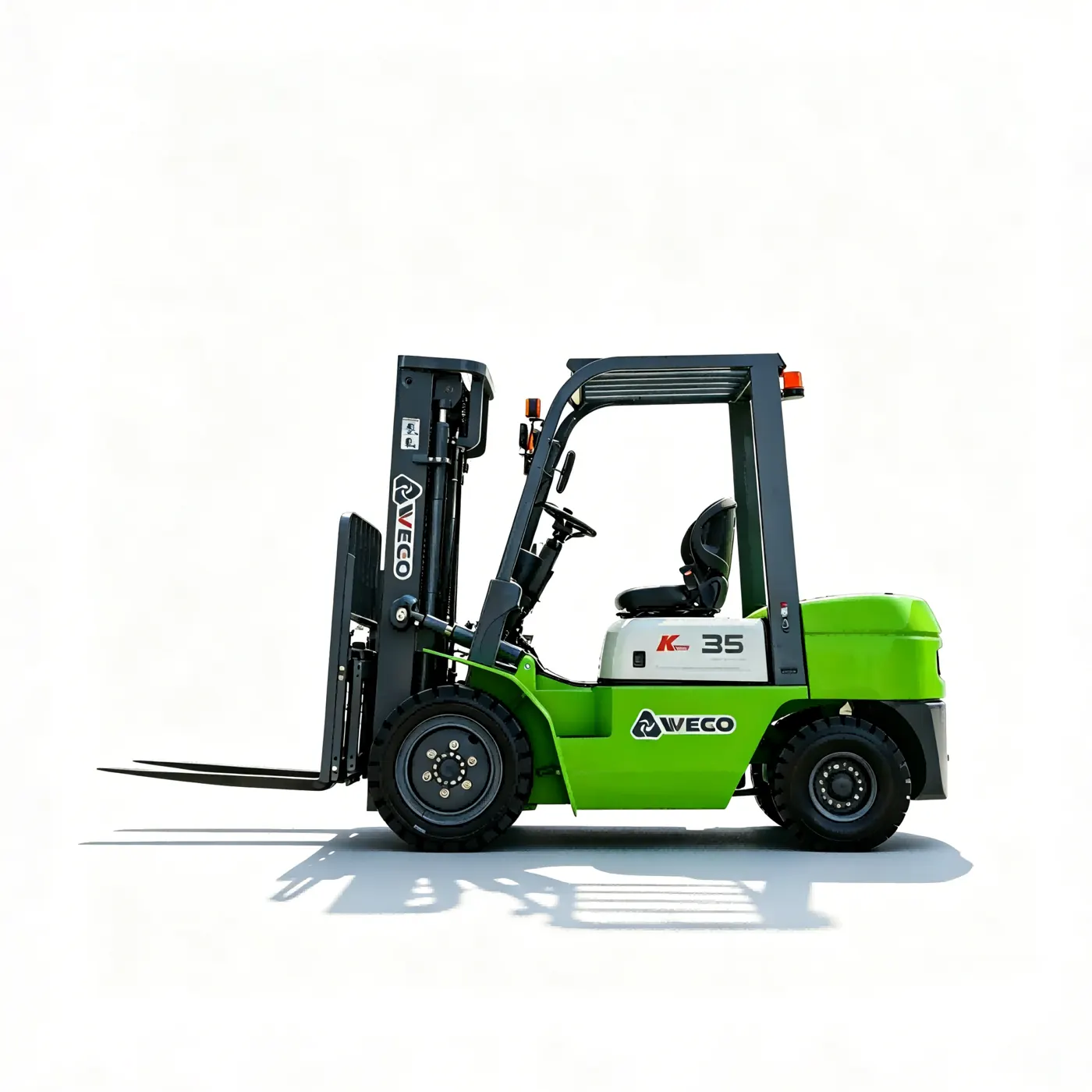
As warehouses add more electric trucks, compact stackers, and specialized handling equipment, many managers discover that throughput problems do not always come from insufficient lifting capacity. Delays often appear because operators switch between different controls, batteries, turning behaviors, and maintenance routines during the same shift. Recent fleet-upgrade discussions across the industry show that buyers are now paying closer attention to standardization. For WEGO customers, that means evaluating whether each additional truck type truly solves a handling problem or simply adds another layer of training and service complexity.
The operating scene should be broken into repeatable roles before the fleet is expanded. A site may need one truck for receiving, another for narrow-aisle replenishment, and a third for yard transfer, but those roles should be defined by load profile and travel pattern, not by habit. Buyers should map where congestion forms, which routes are repeated most often, and where operators lose time changing equipment or waiting for a charger. Throughput improves when truck roles are clear, overlap is limited, and each piece of equipment supports a stable part of the warehouse flow.
Configuration planning should compare mast heights, residual capacity, battery family, charger compatibility, display layout, and wear parts across the proposed fleet. If every truck uses a different connector, wheel specification, or control logic, the warehouse gains flexibility on paper but loses speed in real operation. A more disciplined approach is to standardize wherever possible and keep differences only where the site genuinely needs them, such as a special attachment, a tighter turning radius, or a different outdoor tyre option for a separate yard task.
Before quotation, confirm the number of truck roles, average shift distance, pallet dimensions, rack clearances, charger count, spare-parts preference, operator experience, and whether the site wants one unified electric platform or a mixed fleet with separate duties. Buyers should also decide how much service simplicity matters compared with maximum specialization. These answers help WEGO recommend a fleet structure that supports warehouse rhythm instead of creating hidden friction between trucks that were bought one by one without a long-term plan.
For export projects, WEGO should align manuals, charger families, key replacement parts, operator handover, and maintenance intervals before the first shipment leaves. Fleet standardization is valuable because it reduces downtime after delivery as much as it improves movement inside the warehouse. When buyers plan truck commonality early, they usually gain faster onboarding, simpler preventive service, and more reliable daily throughput without chasing a larger fleet than the site actually needs.
Technische Kaufer-Checkliste
Lastprofil und Lastschwerpunkt
Maximalgewicht, Abmessungen, Schwerpunkt, Palettenaufnahme und groesste Hubhoehe angeben; Anbaugeraete koennen die Resttragfaehigkeit senken.
Gang- und Regalgeometrie
Freie Gangbreite, Rechtwinkelstapelgang, Regalhoehe, unterer Traeger, Tore und Wendepunkte sind mit der realen Palette zu messen.
Einsatzzyklus und Ladefenster
Vor der Wahl von Batterie und Ladegeraet sind Schichtstunden, Spitzenzeiten, Pausen und Ladefenster zu erfassen.
Ladeinfrastruktur
Netzspannung, Phasen, Stecker, Lueftung, Kabelfuehrung und geschuetzter Ladeplatz muessen lokal passen.
Batterie-Einsatzumgebung
Temperatur, Staub, Feuchte, Reinigung und Ladehaufigkeit bestimmen Batteriepaket und Schutzbedarf.
Export- und Inbetriebnahmepaket
Handbuecher, Kennzeichnung, Ladegeraet oder Motor, Filter und Dichtungen, Verpackung und Zieldokumente vor Versand abstimmen.